
Liquid Bulk and Petrochemicals
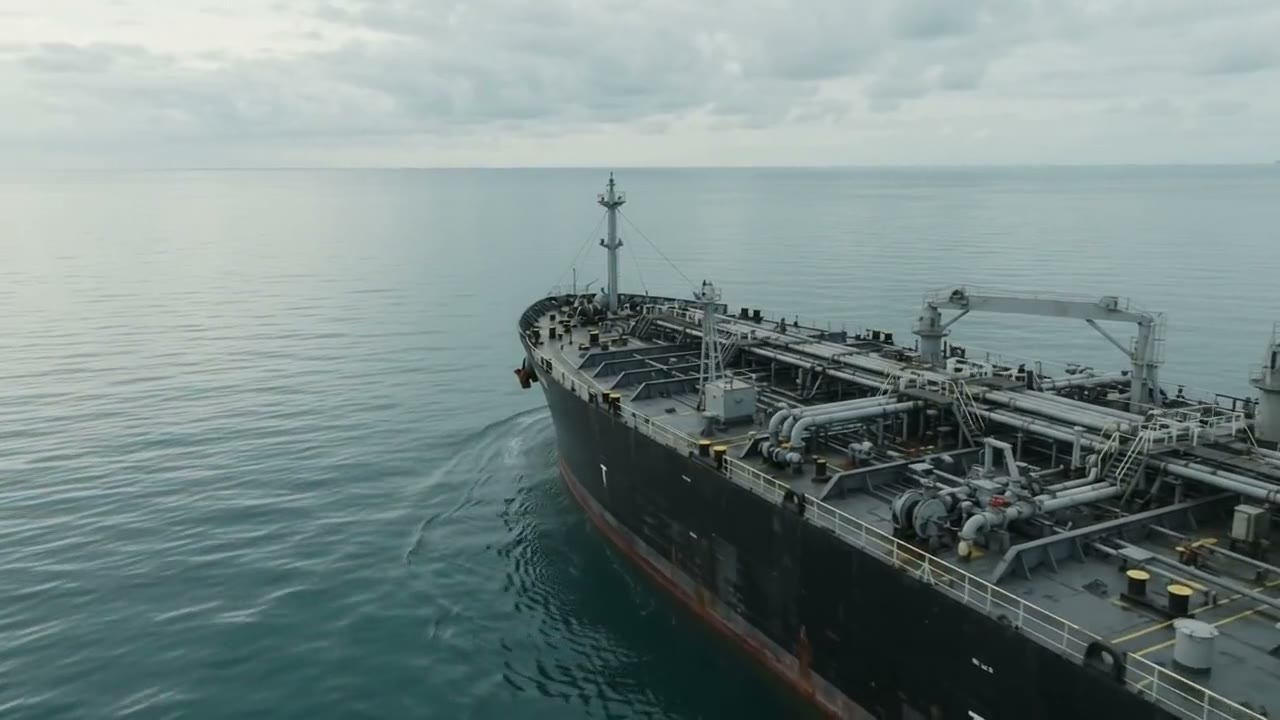
Non-hazardous and hazardous liquids move by tanker for large volumes, and by ISO tank or flexitank for parcels of roughly 20 to 24 tonnes.
Sea, Road, Rail · 22T0-22T6, IBC, Flexitank
Cargo file
- Examples
- Base oils and lubricants, Methanol and solvents, Edible oils, Latex, Industrial chemicals, Fuel products (via tanker)
- Equipment
- ISO tank container (typically 20', about 20,000 to 26,000 litres)
- Flexitank in 20' dry container (non-hazardous liquids)
- Chemical or product tanker (large volumes)
- Modes
- Sea, Road, Rail
- Rules and papers
- Safety data sheet, cleaning certificate
- What you provide
- Cargo description and HS code, weight and dimensions, packing, origin and destination, ready date, Incoterm.
What to watch
Non-hazardous and hazardous liquids move by tanker for large volumes, and by ISO tank or flexitank for parcels of roughly 20 to 24 tonnes. Product compatibility and cleaning history of the tank are the key checks.
Flexitanks are for non-hazardous liquids only; hazardous liquids need ISO tanks or drums/IBCs under IMDG rules.
Carriers and ports may require pre-approval for specific chemicals and tank types.
Heating, venting and pressure requirements must be stated at booking.
Typical lanes
Indicative market values for planning, not schedules. The calculator shows the current range.
Papers checklist
What this cargo usually needs. The importing country and the carrier decide the final list.
Safety data sheet, cleaning certificate
- 1Commercial invoice
- 2Bill of lading
- 3Safety data sheet (SDS)
- 4Dangerous goods declaration (if IMDG-regulated)
- 5Tank cleaning certificate / previous cargo record
- 6Certificate of analysis
- 7Certificate of origin
Related cargo
Dry Bulk Commodities
Coal, Iron ore, Bauxite, Fertilizer
Equipment
22G122P1Bulk
Modes
Sea, Rail, Road
Metals and Minerals
Steel coils, Steel pipes and plates, Aluminium ingots, Copper cathodes
Equipment
22G122P1Bulk
Modes
Sea, Rail, Road
Grain, Pulses and Dry Agricultural Goods
Wheat, Rice, Lentils and chickpeas, Sunflower seed
Equipment
22G145G1Liner
Modes
Sea, Rail, Road
Tell us what, from where, to where.
Or call the desk: +971 50 347 5085